
Cybersecurity Best Practices: Essential Security Measures for Small to Medium Businesses
Small and medium-sized businesses face a harsh reality: cybercriminals increasingly target smaller organizations, viewing them as easier prey than large corporations with extensive security teams. In fact, 43% of cyberattacks target small businesses, yet only 14% are prepared to defend themselves. The good news? Implementing the right cybersecurity measures doesn't require a Fortune 500 budget—it requires the right strategy and expert guidance.
Why SMBs Are Prime Targets
Cybercriminals prefer small and medium businesses for several reasons. These organizations often lack dedicated IT security staff, have limited cybersecurity budgets, and may not prioritize security until after an attack occurs. Additionally, SMBs frequently serve as stepping stones to larger organizations through their business relationships and supply chains.
The impact of a successful cyberattack on a small business can be catastrophic. Beyond the immediate financial losses, businesses face operational downtime, customer trust erosion, regulatory penalties, and recovery costs that can exceed $200,000 on average. Nearly 60% of small businesses that experience a cyberattack close within six months.
Essential Cybersecurity Measures Every SMB Needs
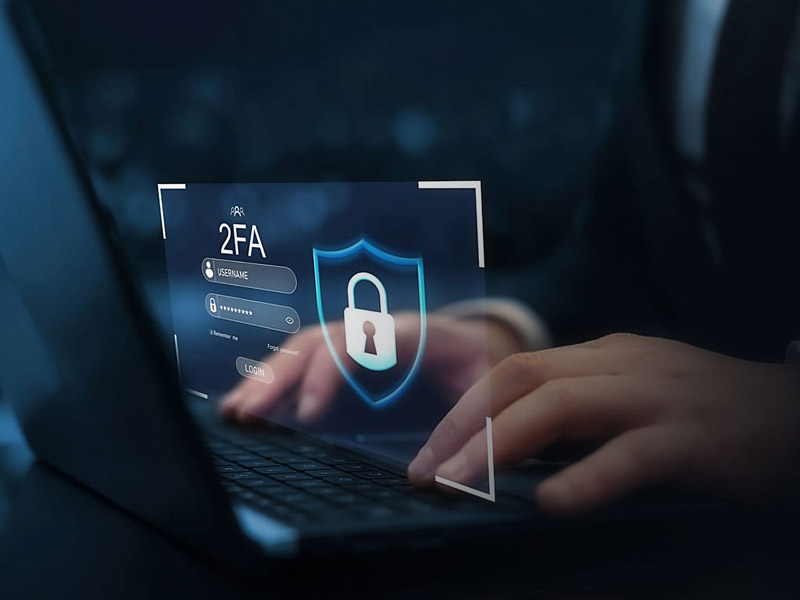
Strong Password Policies and Multi-Factor Authentication
Weak passwords remain the easiest entry point for cybercriminals. Implement a company-wide password policy requiring complex passwords with at least 12 characters, including uppercase and lowercase letters, numbers, and special characters. More importantly, enable multi-factor authentication (MFA) on all business accounts. MFA adds an extra layer of security that can prevent 99.9% of automated attacks, even when passwords are compromised.
Regular Software Updates and Patch Management
Outdated software creates vulnerabilities that hackers exploit daily. Establish a systematic approach to updating all software, operating systems, and applications. This includes not just obvious targets like Windows or Office, but also browsers, plugins, and specialized business software. Automated patch management systems can help ensure critical updates are applied promptly without disrupting business operations.
Employee Training and Security Awareness
Your employees are both your greatest vulnerability and your strongest defense. Human error accounts for 95% of successful cyberattacks, making security awareness training essential. Regular training should cover recognizing phishing emails, safe browsing practices, proper handling of sensitive data, and incident reporting procedures. Make cybersecurity part of your company culture, not just an IT responsibility.
Backup and Recovery Planning
Ransomware attacks have increased by over 400% in recent years, making robust backup strategies critical. Follow the 3-2-1 rule: maintain three copies of important data, store them on two different types of media, and keep one copy offsite or in the cloud. Test your backups regularly to ensure they work when needed, and develop a comprehensive incident response plan that includes communication protocols and recovery procedures.
Network Security and Access Controls
Secure your network perimeter with enterprise-grade firewalls and intrusion detection systems. Implement network segmentation to limit access to sensitive systems and data. Use Virtual Private Networks (VPNs) for remote access, and regularly audit user access permissions to ensure employees only access systems necessary for their roles.
Endpoint Protection and Monitoring
Every device connected to your network represents a potential entry point for attackers. Deploy comprehensive endpoint protection that goes beyond traditional antivirus to include behavioral monitoring, threat detection, and response capabilities. This includes computers, mobile devices, tablets, and increasingly, Internet of Things (IoT) devices.
Advanced Security Measures for Growing Businesses
Security Information and Event Management (SIEM)
As your business grows, so does the complexity of monitoring potential threats. SIEM systems collect and analyze security data from across your entire IT infrastructure, providing real-time threat detection and automated response capabilities. While once reserved for large enterprises, cloud-based SIEM solutions now make this technology accessible to smaller businesses.
Vulnerability Assessments and Penetration Testing
Regular security assessments help identify weaknesses before attackers do. Vulnerability assessments scan your systems for known security flaws, while penetration testing simulates actual attack scenarios to test your defenses. These proactive measures help you stay ahead of emerging threats and demonstrate due diligence to customers and partners.
Incident Response Planning
Despite best efforts, security incidents may still occur. A well-defined incident response plan minimizes damage and reduces recovery time. Your plan should include immediate containment procedures, communication protocols, evidence preservation guidelines, and post-incident analysis processes. Regular drills ensure your team can execute the plan effectively under pressure.
The Reality of DIY Cybersecurity
Many small business owners attempt to handle cybersecurity internally, often with costly consequences. Cybersecurity requires specialized expertise that evolves constantly as new threats emerge. What worked last year may be inadequate today, and missing a critical security update or misconfiguring a system can leave your entire business vulnerable.
The challenge extends beyond technical implementation. Cybersecurity involves ongoing monitoring, threat intelligence, compliance management, and incident response—activities that require dedicated expertise and 24/7 attention. For most small and medium businesses, building this capability internally is neither cost-effective nor practical.
Common Cybersecurity Mistakes That Leave SMBs Vulnerable
- Assuming "We're Too Small to Be Targeted" - Cybercriminals use automated tools that scan for vulnerabilities regardless of company size. Small businesses are often targeted specifically because they typically have weaker defenses.
- Relying Solely on Basic Antivirus Software - Traditional antivirus solutions can't protect against modern threats like zero-day exploits, advanced persistent threats, or social engineering attacks.
- Neglecting Mobile Device Security - As remote work increases, mobile devices access critical business systems and data. Unsecured smartphones and tablets create significant security gaps.
- Inadequate Vendor Management - Third-party vendors with access to your systems can introduce vulnerabilities. Many breaches occur through compromised vendor accounts.
- Postponing Security Investments - Waiting until after an attack to invest in cybersecurity is like buying insurance after a fire. The cost of prevention is always less than the cost of recovery.
How Managed Cloud Technology Solutions Protects Your Business
Effective cybersecurity requires more than just installing software—it demands comprehensive strategy, continuous monitoring, and expert management. Managed Cloud Technology Solutions provides enterprise-level security expertise tailored specifically for small and medium-sized businesses.
Our comprehensive cybersecurity services include:
- 24/7 Security Monitoring and Response - Our Security Operations Center monitors your systems around the clock, detecting and responding to threats before they impact your business. We provide immediate incident response and work quickly to contain and eliminate threats.
- Proactive Threat Management - We stay ahead of emerging threats through continuous threat intelligence gathering and proactive security measures. Our team implements the latest security technologies and best practices to keep your business protected.
- Employee Security Training - We provide ongoing security awareness training for your staff, including simulated phishing campaigns and customized training modules based on your industry and specific risk profile.
- Compliance Support - We help ensure your cybersecurity measures meet industry regulations and standards, providing documentation and reporting necessary for audits and compliance requirements.
- Comprehensive Security Assessments - Regular vulnerability assessments and penetration testing identify potential weaknesses and ensure your security posture remains strong as your business evolves.
- Incident Response and Recovery - Should a security incident occur, our team provides immediate response, forensic analysis, and recovery support to minimize impact and restore normal operations quickly.
Transform Your Security Posture Today
Cybersecurity isn't a luxury for small and medium businesses—it's a business necessity. The question isn't whether you can afford to invest in proper cybersecurity, but whether you can afford not to. Every day you delay implementing comprehensive security measures is another day your business remains vulnerable to attack.
Don't let cybersecurity complexity overwhelm your business or divert resources from your core operations. Managed Cloud Technology Solutions brings enterprise-level security expertise within reach of small and medium businesses, providing the protection you need at a cost that makes sense for your budget.
Your business deserves the same level of cybersecurity protection as large corporations.
Contact Managed Cloud Technology Solutions today to learn how we can secure your business, protect your customers' data, and give you the peace of mind to focus on what you do best—running your business.